
Typical Procurement Scenario
Warehouse steel structure material procurement.
A contractor needs sections, tubes and related materials for a warehouse frame. The practical task is to keep the material schedule, finished-size needs, documents and export delivery in one controlled workflow.
Buyer Situation
One structure, many material decisions.
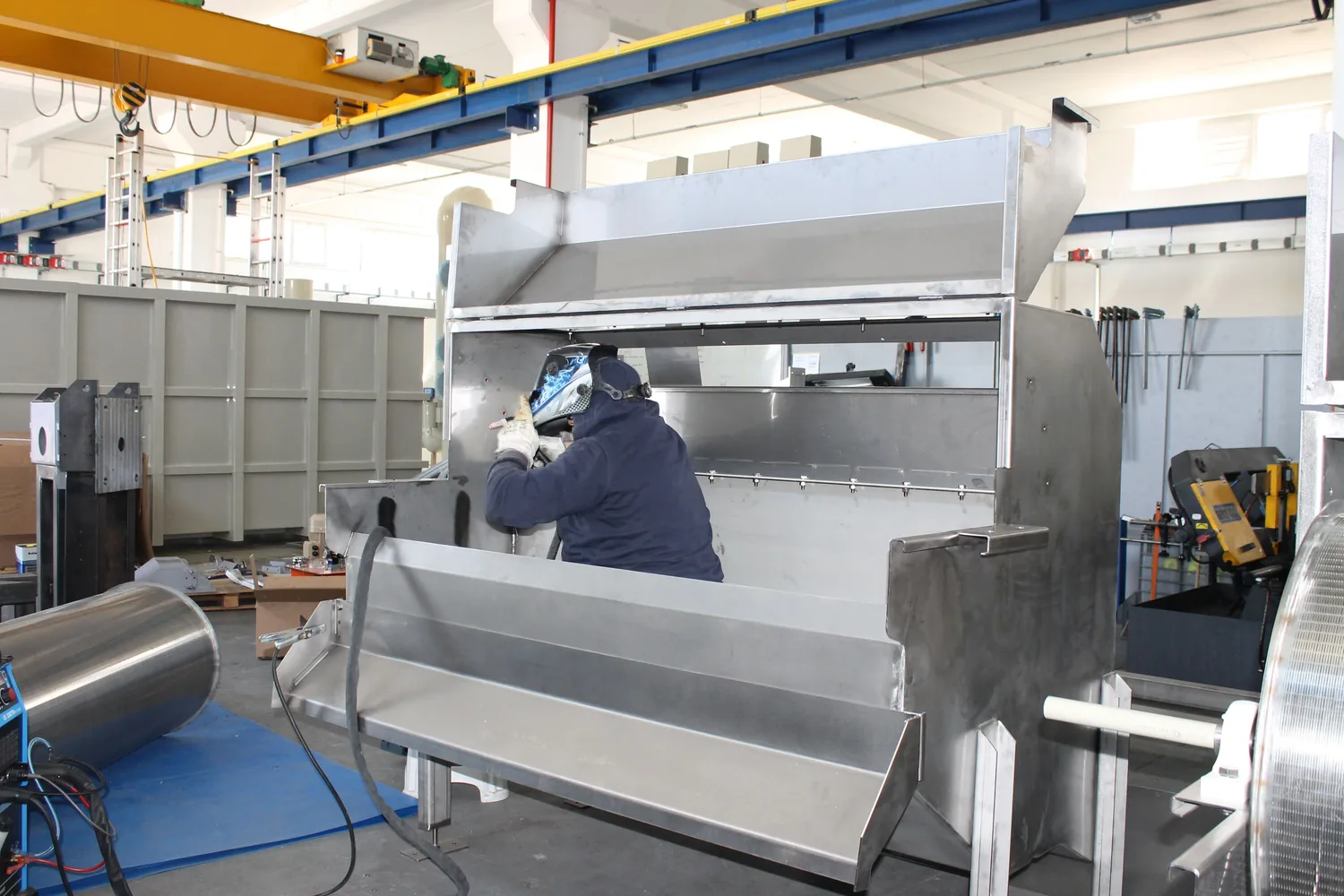
The buyer begins with a drawing and bill of materials for a warehouse frame. The purchase may include structural sections, square or rectangular tubes, plates, connection materials and cut-to-length requirements. The issue is not merely comparing per-tonne prices. The quotation needs to reflect the section schedule, grade, length, quantity, finished size, packing and delivery location.
For an overseas buyer, the material schedule should also say which items need to remain in full length, which can be cut, whether documents are required, and how the order will move to the destination. Those points turn a loose request into a reviewable procurement package.
Typical Workflow
How the requirement is coordinated.
- 01
Review the drawing and material list
Check product type, dimensions, grade, standard, quantity and whether the requirement is material supply or a finished-size item.
- 02
Match supply and processing discussion
Coordinate suitable supply and review any cutting, drilling, fabrication or other processing requirement against the drawing and tolerance.
- 03
Confirm documents and packing
State certificate and document requirements early. Product documents can be coordinated according to the confirmed material, standard and supplier arrangement.
- 04
Prepare delivery handover
Align packing, container-loading preparation, export documents and delivery follow-up against the approved order details.
What makes this scenario easier to quote?
A current drawing and clear material schedule. When the RFQ identifies products, standards, quantities, cut requirements and destination in one place, the supply side can ask fewer assumptions-based questions and focus on matching the right route.
Explore structural steel sectionsWhat should the buyer send next?
Send the bill of materials, material grade or standard, any drawing, document requirement, packing expectation and destination port or delivery location.
Read the steel RFQ checklist